

facial balancing
THE MEDICAL ART OF FACIAL HARMONY
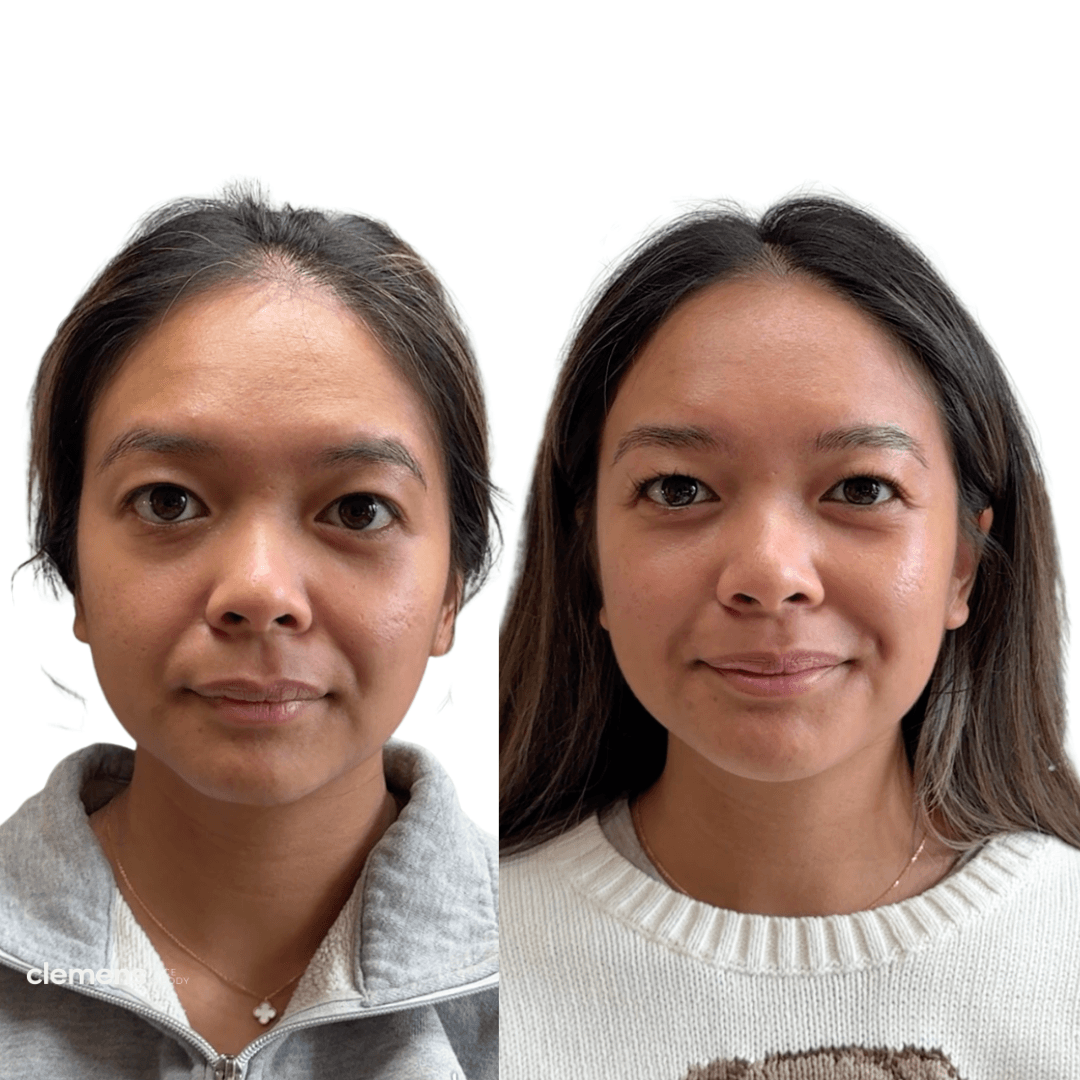
Strategic hyaluronic acid filler treatments designed to refine facial structure, restore balance, and create natural-looking results. Facial balancing is a versatile, non-surgical approach to enhancing harmony while preserving what makes your features uniquely yours.

understated by intention
Each facial longevity plan is built thoughtfully and conservatively, with the goal of developing an ongoing relationship centered around natural-looking results that age with you, not against you.
Your facial balancing visit begins with a comprehensive assessment of your facial structure to identify areas where subtle, strategic enhancement may improve overall harmony. Advanced techniques and tools, including ultrasound assessment, may be incorporated to support thoughtful treatment planning and patient safety.
patient results

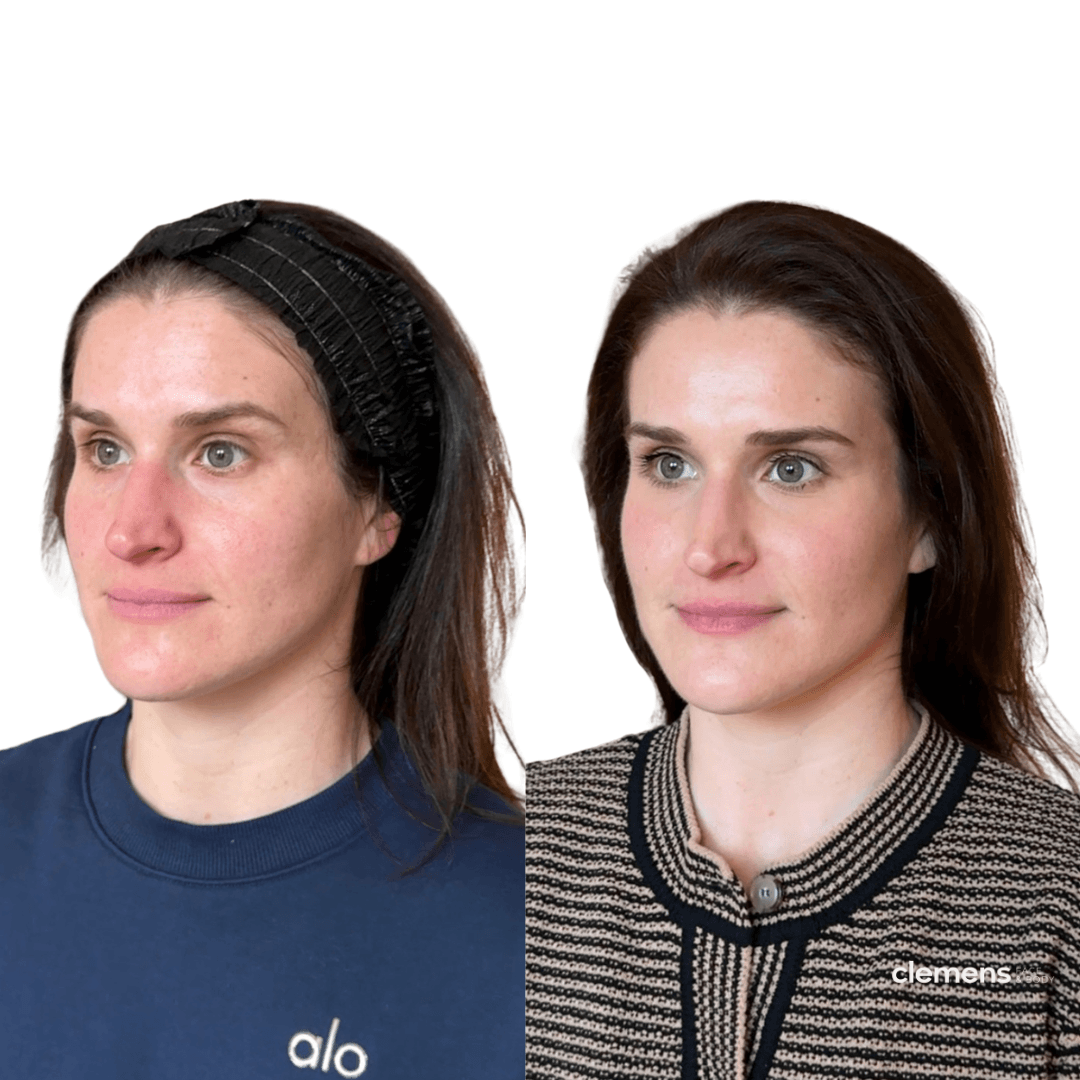


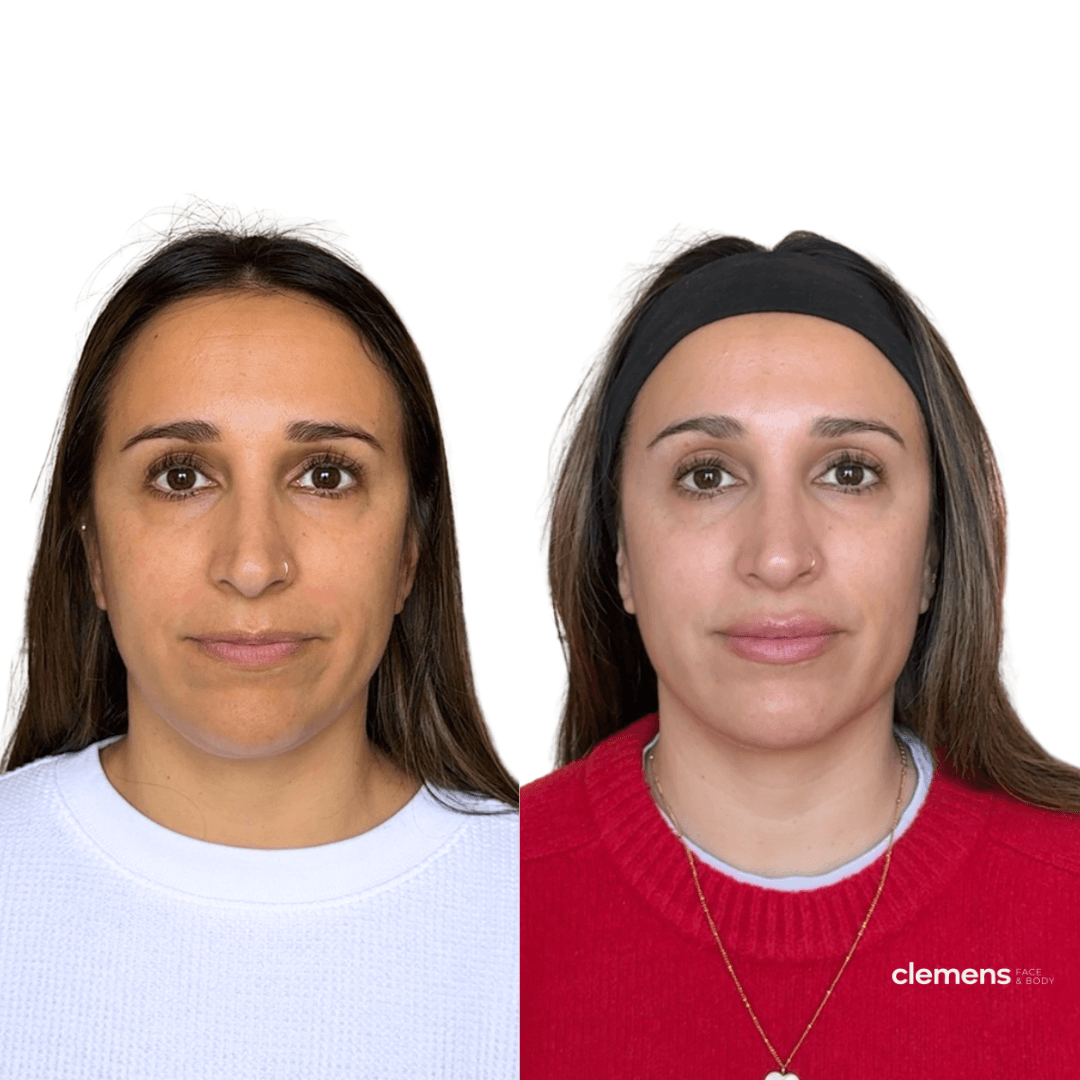
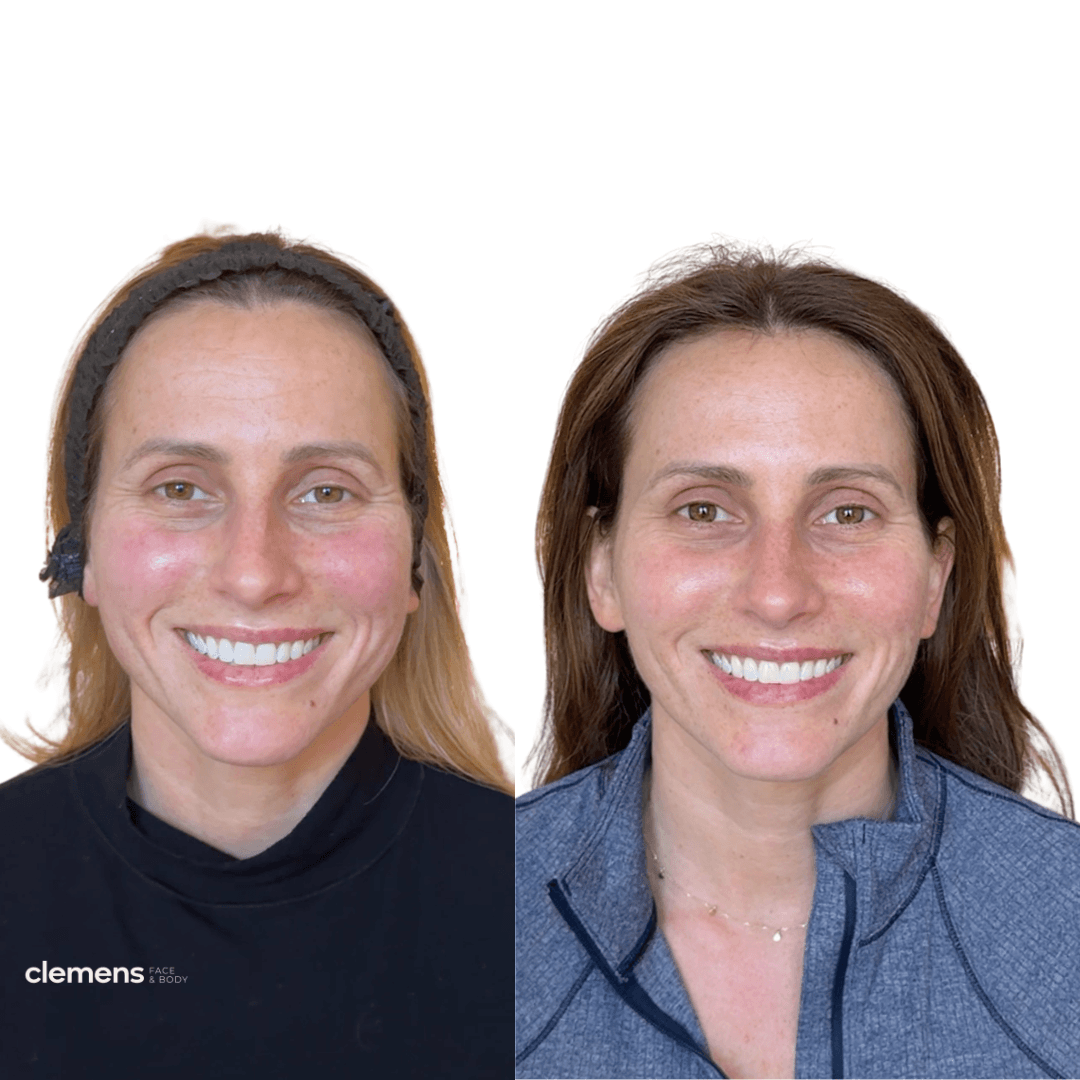
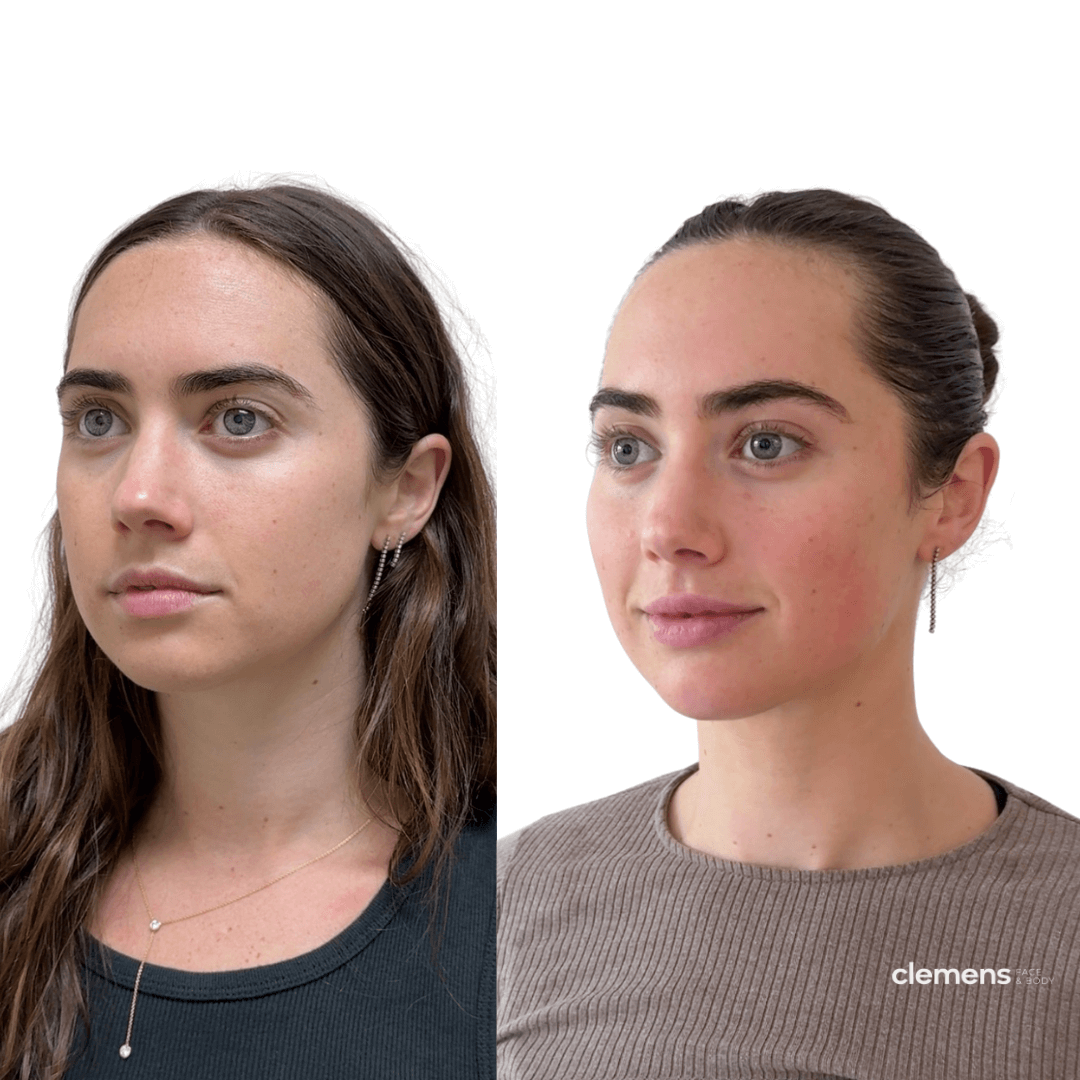





FAQS
-
The cost of facial balancing varies depending on the areas treated, the amount of product needed, and the complexity of the treatment plan. Treatments can be split across multiple visits.
Cost priced per area and complexity.
Temples: $900
Under-eyes: $900
Nasolabial folds: $1400
Mid-face: $1400
Chin, pre-jowls, & chin shadow: $2500
Jawline: $2500
-
Hyaluronic acid is a substance that is naturally found in the layers of our skin. Its properties provide plump, hydration, bounce, and glow to our skin appearance. Unfortunately, with the natural aging process, our amounts deplete over time, starting in our 20s. This can create facial sagging, skin folds, and loss of support.
Fillers are biocompatible gels that contain bonded (or cross-linked) hyaluronic acid chains. When injected in layers of the face, they can reintroduce lost volume, resupport tissue, and can enhance facial definition and contour.
-
Dermal filler longevity depends on the product used, the area treated, your metabolism, and the amount of movement in the area. In general, most hyaluronic acid fillers last anywhere from 6–18 months (sometimes longer). Areas with more movement, such as the lips, tend to metabolize filler more quickly, while structural areas like the cheeks or jawline may maintain results longer.
-
Not necessarily. The longevity of facial balancing results depends on the areas treated, the type of filler used, individual metabolism, and your long-term aesthetic goals. While some patients choose to maintain their results with small touch-ups every 1-2 years, others may go several years before needing additional treatment.
-
1-week before treatment: Limit blood-thinning agents, such as Aspirin, Motrin, Ibuprofen, Alleve, excessive garlic, vitamin E, gingko biloba, St. John’s Wort, and Omega-3 capsules.
1-3 days before treatment: Limit excessive alcohol intake, the use of topical retinoids or vitamin A derivatives (to minimize skin irritation).
Day of: Come to your appointment having already completed your workout for the day, and without any make-up (we want to make sure you have a ‘clean canvas’ to allow for more precise treatment).
If you are planning to get your lips done, please inform us if you have a history of herpes simplex virus (HSV) in order to receive advice on antiviral therapy prior to treatment.
-
Dermal fillers can address a variety of common facial concerns related to aging, facial structure, and volume loss. Common areas treated include mid-face volume loss, hollow under-eyes, nasolabial folds, marionette lines, lower face lines, early jowling, and recessed chins.
-
Results from dermal filler are often visible immediately after treatment, though mild swelling or bruising can temporarily affect the appearance during the first several days. Most patients see their final, more refined result within 2-4 weeks as the filler settles and swelling resolves.
-
Minor bruising, bleeding, discomfort, soreness, and mild pain are commonly expected with injections.
-
No, dermal filler migration is not inevitable and is often related to factors such as injection technique, product selection, placement, anatomy, and overfilling. When filler is placed conservatively, strategically, and in appropriate areas, it can remain stable and integrate well within the tissue for long periods of time.
-
The “pillow face” appearance is typically caused by overfilling, poor product placement, or repeatedly adding filler without reassessing the face as a whole. Preventing this comes down to taking a conservative, anatomy-based approach focused on structure, balance, and restraint.
-
Yes — unlike a permanent tattoo, most hyaluronic acid fillers can be dissolved quickly and effectively using an enzyme called hyaluronidase. While the goal is always to create balanced, natural-looking results from the start, filler offers the reassurance of being adjustable and reversible when needed.
Dissolving may be a separate visit and cost.
-
This will vary based on the areas that were treated, but generally, we tell patients to expect a downtime range from 3 days to up to 2 weeks. Common side effects like temporary redness and irritation, bruising, and swelling can occur in the first 3 days post-visit. For the most part, patients can return to their regular routine after 2-3 days.
-
Filler injections can cause discomfort and soreness, and as a result, a small amount of injectable numbing is given prior to treatment. Many filler brands also contain Lidocaine pre-mixed into the syringe, producing more comfort and ease.
Not sure where to begin with facial balancing?
The “Tell Me What I Need” Consultation is a personalized, one-on-one session to help you understand your facial structure and where subtle enhancement can make the biggest impact. You’ll leave with a thoughtful plan tailored to your features and goals, in addition to an treatment estimate. If you decide to move forward, 50% of your consultation fee is credited toward your treatment.